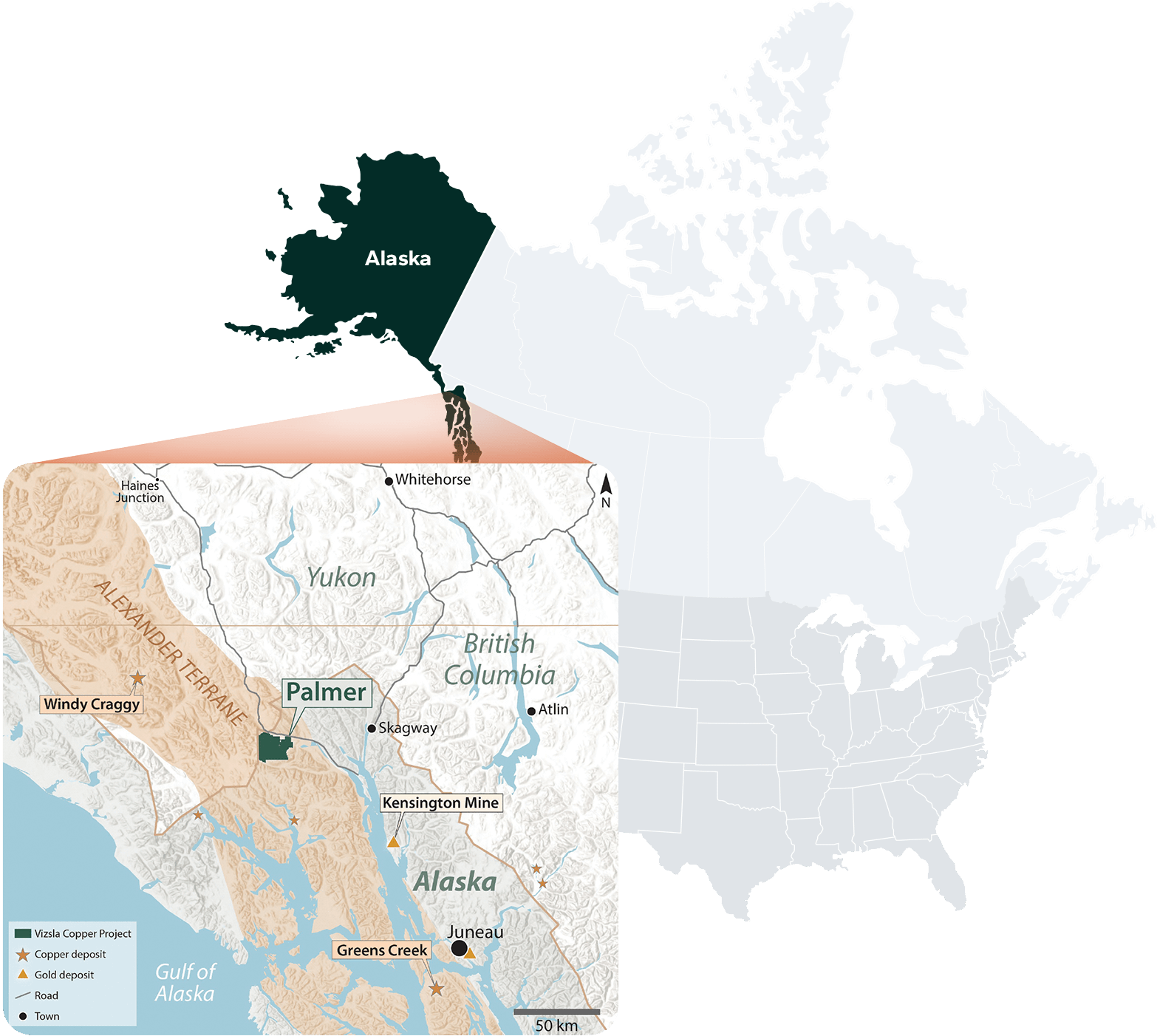
38 miles
Road access from
Haines (tidewater)
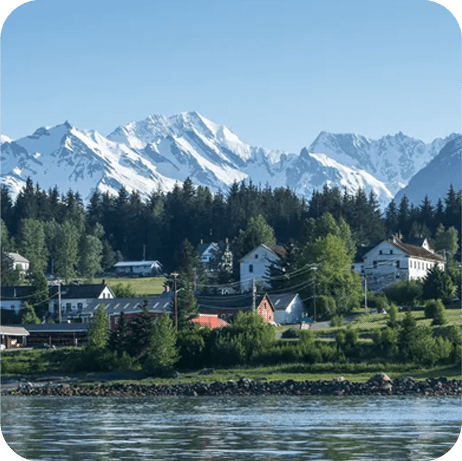

Work at Palmer is carried out in stages, guided by state and federal permits. Each phase builds on what is observed in the field through mapping, sampling, and drilling, allowing the team to better understand how mineralization is distributed across the site.
Exploration focuses on a volcanogenic massive sulphide (VMS) system, where metals like copper and zinc were concentrated by hot fluids on the ocean floor millions of years ago. Over time, these rocks were pushed, folded, and lifted out of the ocean, eventually becoming part of the mountains in the Chilkat Valley.
Responsible development shapes how this work moves forward. Exploration and potential development carry long-term responsibilities, and decisions are made with an understanding of the environment, the region, and the people connected to it.
Studies are carried out alongside field work to understand environmental, social, and economic considerations as the project progresses. This work helps identify challenges early, guide how activities are planned, and support safe, well-informed decision-making.
Progress is deliberate. Work is advanced step by step, supported by data, field experience, and ongoing input from the community. Taking the time to build a strong foundation early helps ensure decisions are grounded and informed as the project moves forward.
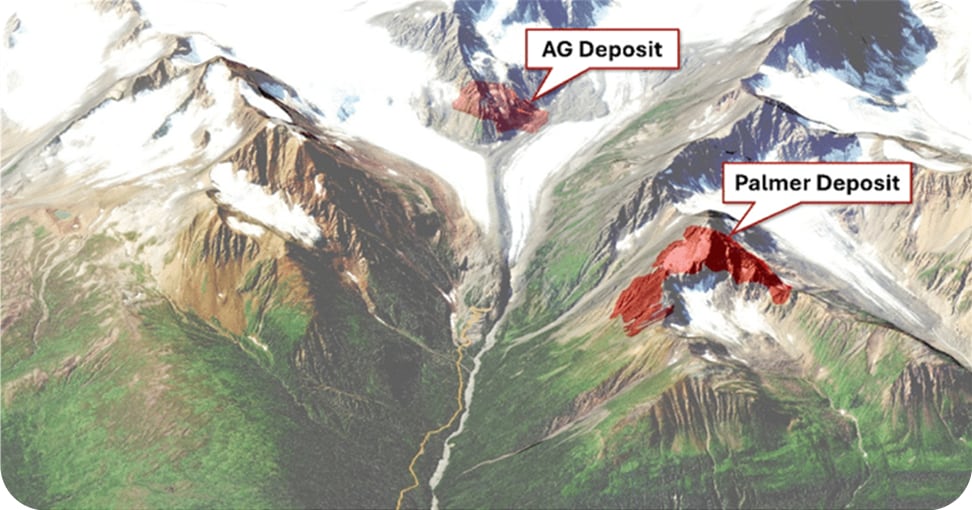
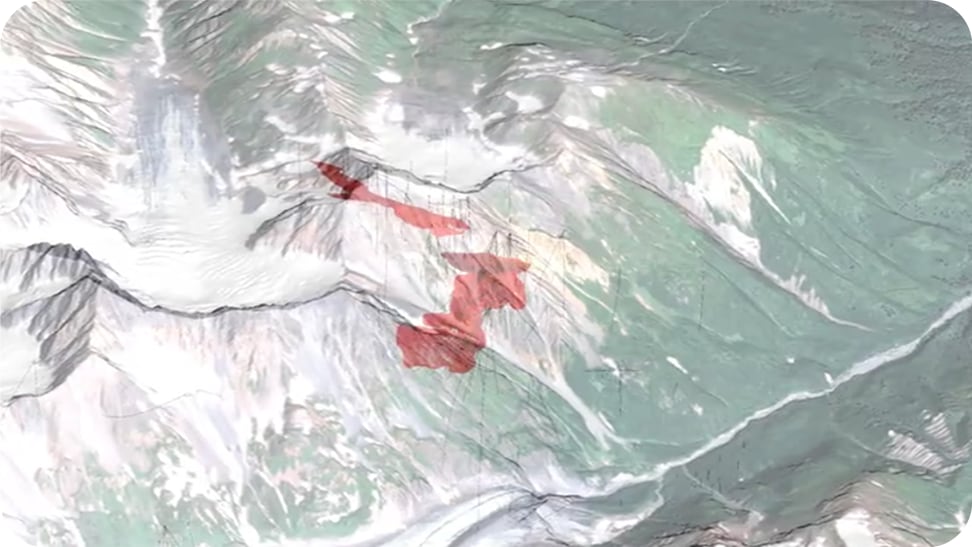
The Palmer Project includes two main deposits:
Mineralization occurs in distinct zones that vary in size, grade, and depth, which is why exploration focuses on targeted drilling rather than broad coverage.
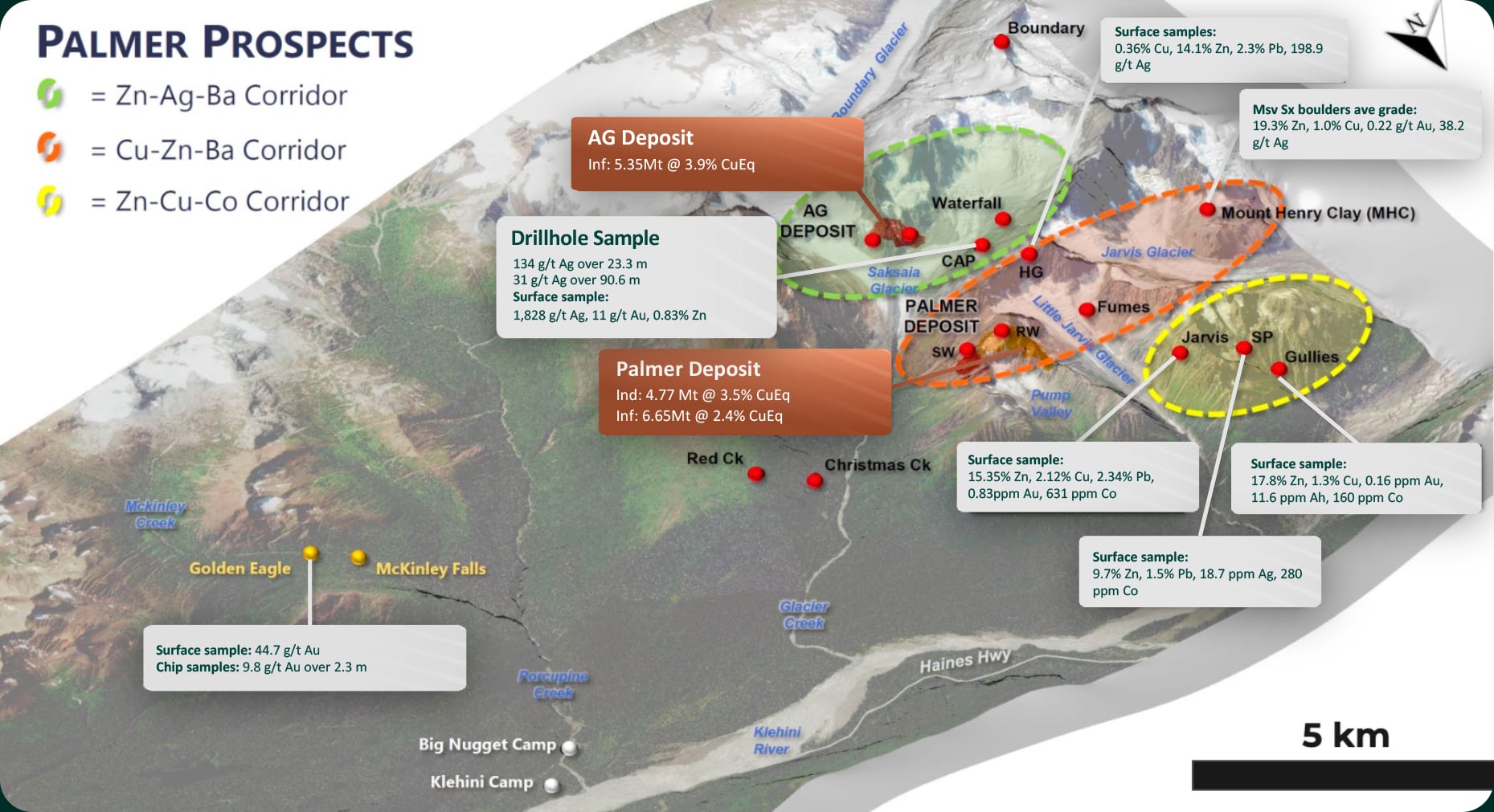
The Palmer Project hosts a NI43-101 mineral resource estimate in the Palmer (RW & SW) and AG Deposits. The total consolidated mineral resource is 4.77 million tonnes of 13.2% zinc equivalent in the indicated category and 12.00 million tonnes of 8.9% zinc equivalent in the inferred category.
4.77Mt at 3.5% CuEq Indicated¹
(1.69% Cu, 5.17% Zn, 0.14% Pb, 28.4 Ag, 0.29 g/t Au, 20.6% BaSO4) and;
12Mt at 3.1% CuEq Inferred¹
(0.57% Cu, 3.92% Zn 0.47% Pb, 66.3 Ag, 0.33 g/t Au, 25.5% BaSO4)
For the latest geological data and Mineral Resource Notes, please visit vizslacopper.com

This access allows exploration work to be carried out efficiently, supporting local communities and businesses while reducing the need for new infrastructure in early stages.
38 miles
Road access from
Haines (tidewater)
244 miles
Road access
from Whitehorse
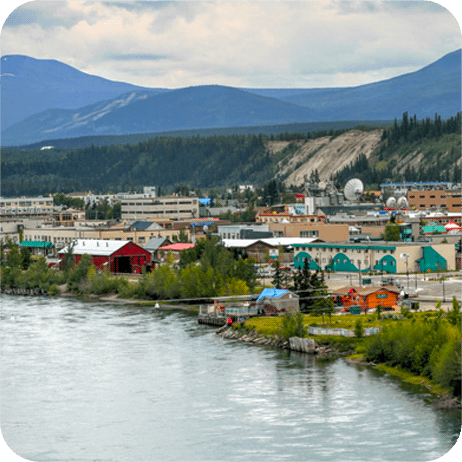
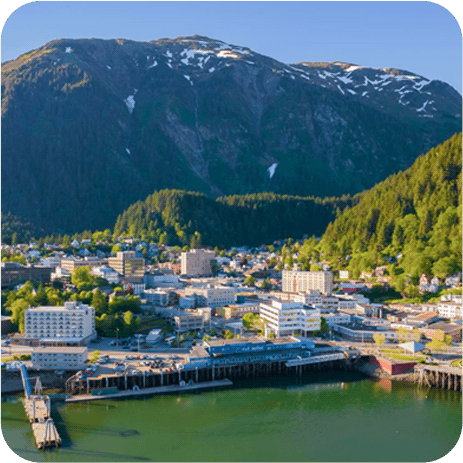
105 miles
Air / marine access
from Juneau
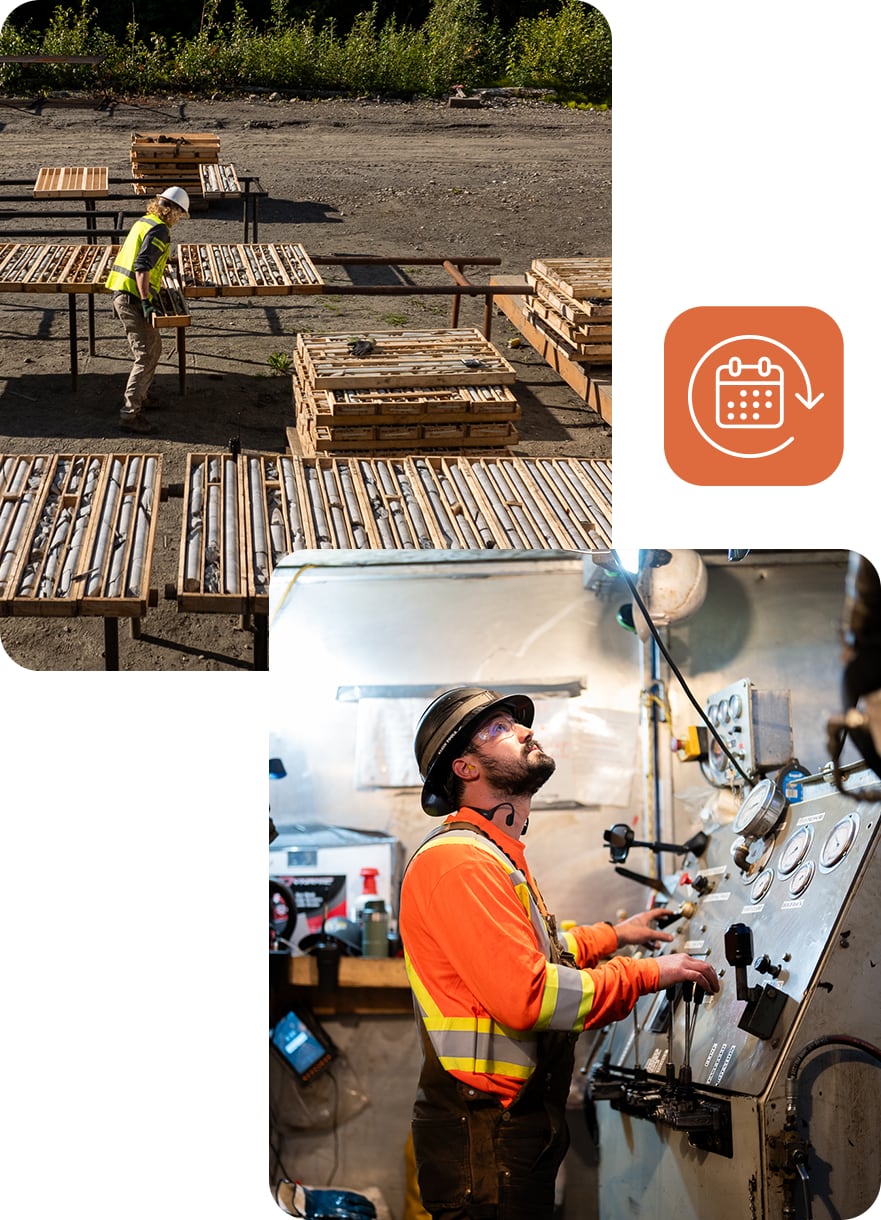
Work continues throughout the rest of the year. During this time, the team:
This work supports how the project moves forward, both on the ground and through ongoing coordination with Vizsla Copper’s broader team.
Each season builds on the last, with decisions guided by what is learned in the field and supported by a consistent focus on environmental responsibility, safe operations, and open, ongoing engagement.