Safety first,
without exception.

Safety is fundamental to how
we operate.
Safety, on the Ground

Safety shapes how work is carried out at the Palmer Project.

This includes the safety of people working on site, in the camp, whole we travel and everything in between as we operate in across the Chilkat Valley.

Our field work takes place in remote, mountainous regions where weather, terrain, and access all play a role in how activities are planned and carried out safely.

Working Safely

Safety at Palmer is built into daily operations.

All employees and contractors follow established best practice procedures designed to identify risks early and prevent incidents. Work is supported by training, site-specific planning, and clear communication in the field.

Planning begins before work starts and continues throughout each stage of exploration, with regular review and adjustment based on conditions on the ground.
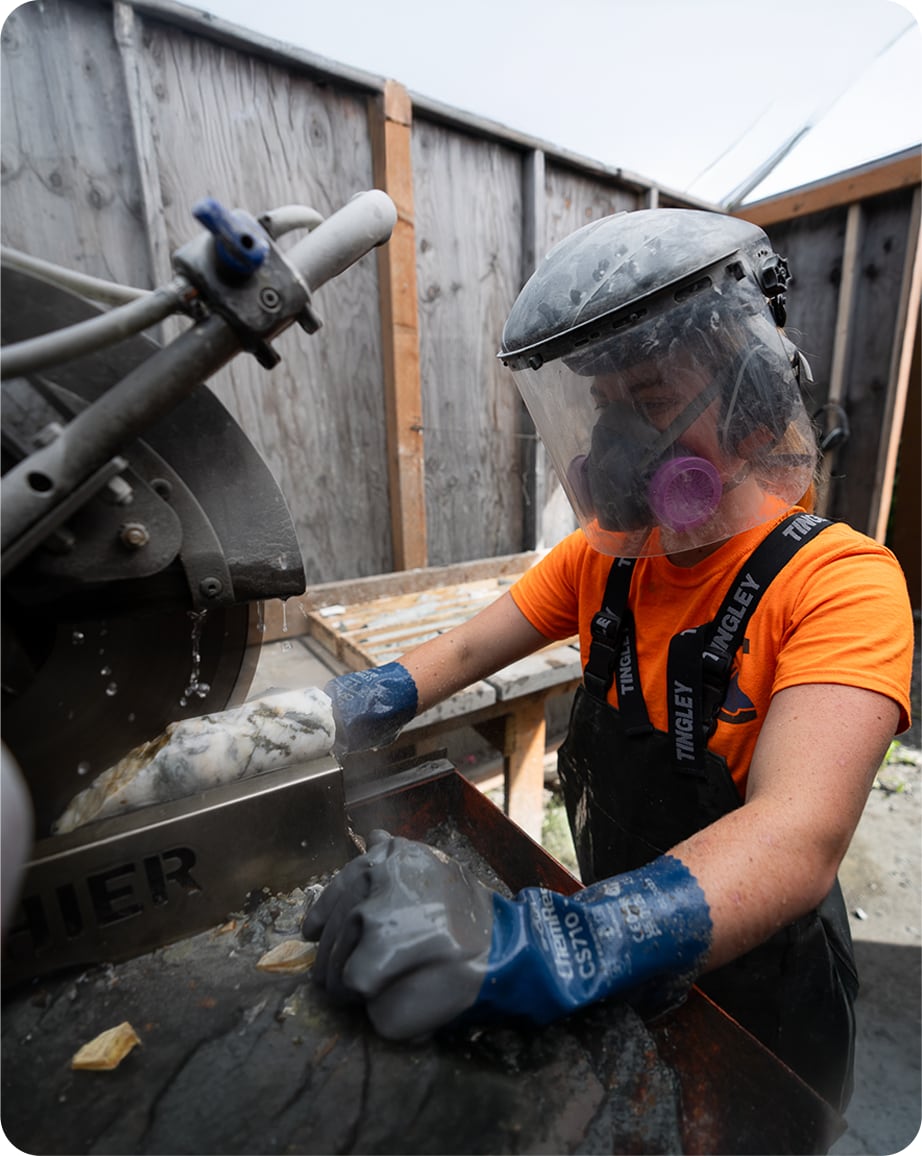
Worker using machinery with safety gear on
Planning and Oversight

Exploration activities are carried out under state and federal permits.

These approvals guide how work is conducted and ensure safety and environmental requirements are met.

Planning includes:

  • Site access and logistics
  • Site operations and exploration activities
  • Weather and seasonal conditions
  • Emergency response readiness
  • Ongoing coordination between field teams and support staff
Palmer Team Safety Shares

Safety at Palmer is shaped by the conditions we work in and the decisions made every day in the field.

Our team is experienced, continuously trained, and focused on the safety of themselves, their crew, and the environment around them.

Fish icon

Working Around Wildlife

Crews operate in areas where wildlife is active. Teams are trained in wildlife awareness and follow clear protocols to reduce interactions and respond safely when needed.
Tent icon

Prepared for the Unexpected

Field crews carry emergency packs and equipment that allow them to shelter in place if conditions change or access is delayed. Teams are trained and prepared to respond, with communication systems in place to always maintain contact.
Mountains icon

Working in Steep Terrain

Drill pads and access routes are planned by crews experienced in navigating mountainous terrain. Locations are selected to balance access, stability, and safety for both people and equipment.
Weather icon

Planning for Weather

Conditions in the Chilkat Valley can change quickly. A dedicated weather station and forecasting tools are used to plan daily work and adjust as needed. This information is also shared with others who work in and rely on the region.
Chat bubble icon

Staying Connected

Clear communication is essential. Daily check-ins, field reporting, and ongoing coordination ensure teams stay aligned and aware of conditions across the site.

We are here to listen.

Share your feedback, questions and comments.
Contact Us