
Protecting the environment here is a long-term responsibility. Baseline studies, ongoing monitoring, and regulatory requirements guide how decisions are made at each stage of the project.
Baseline studies and field work provide insight into water, wildlife, and seasonal patterns. This information is used to plan where work takes place, how it is carried out, and what areas require additional attention.
Environmental understanding is not static. Data continues to be collected over time to improve understanding of the site and support better decision-making as exploration progresses.
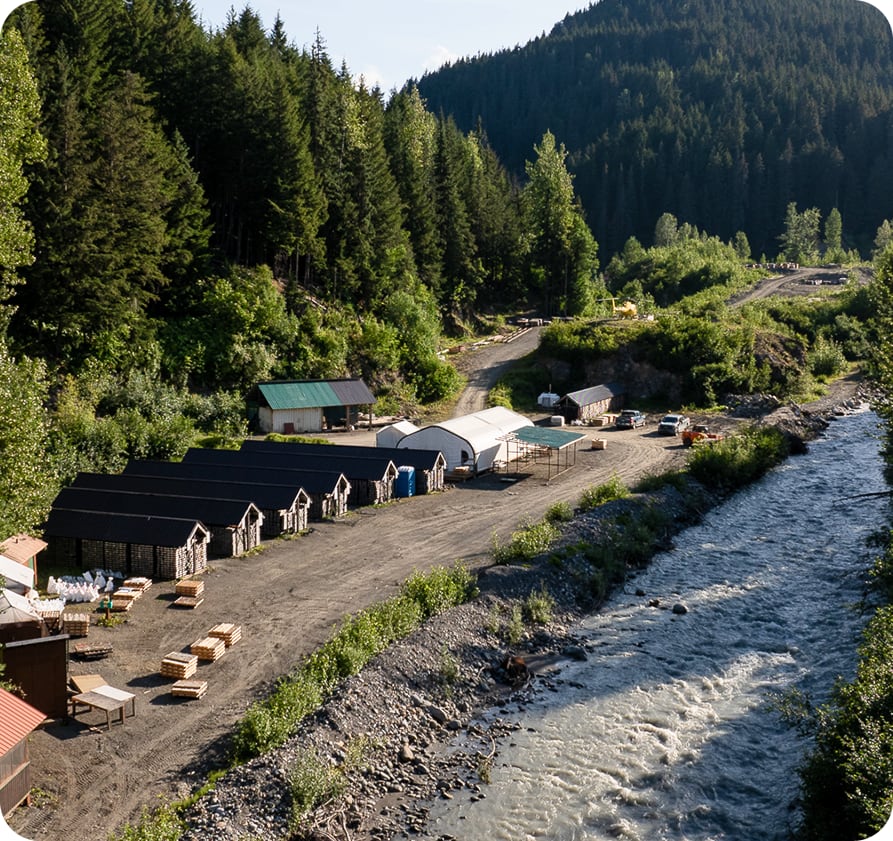
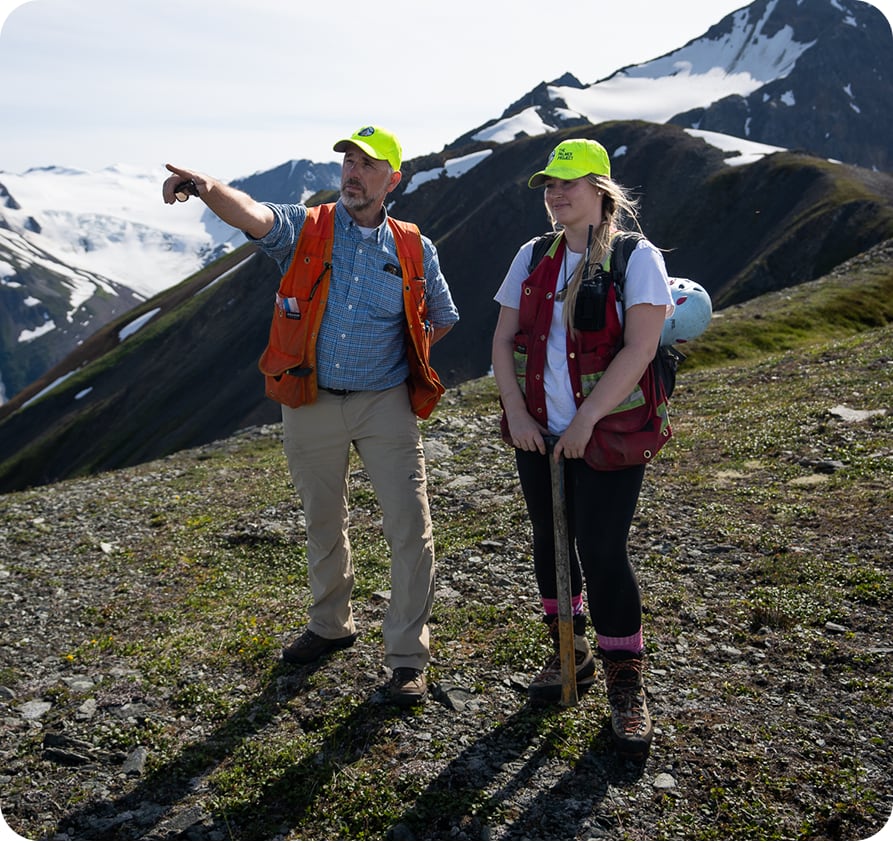
As new information is collected, it is used to:
This ongoing process helps ensure exploration is carried out with a clear understanding of the environment and within established regulatory expectations.
This work builds a detailed understanding of existing conditions and helps identify sensitive areas before work takes place. As exploration continues, programs may expand or shift to improve overall coverage of the site.
Key areas of focus include:
This information supports planning and helps identify potential impacts early.
These approvals define how work is conducted, including where activities take place, how they are managed, and what monitoring is required.
Key authorizations include:
This framework ensures work meets established environmental and regulatory requirements at each stage.
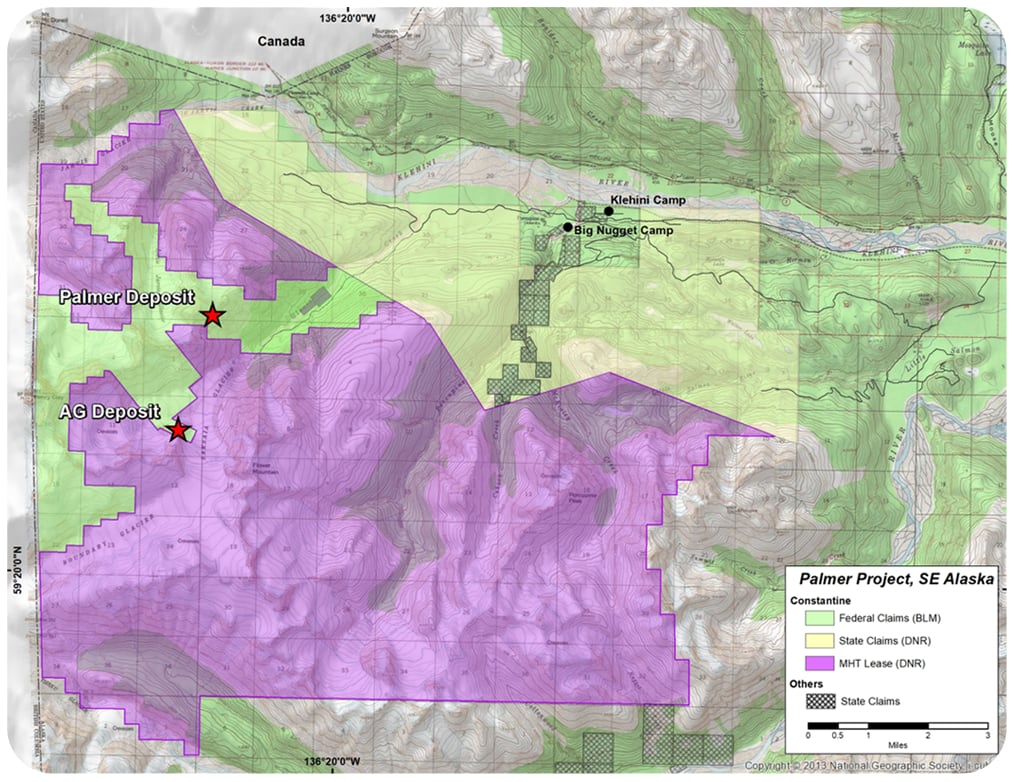
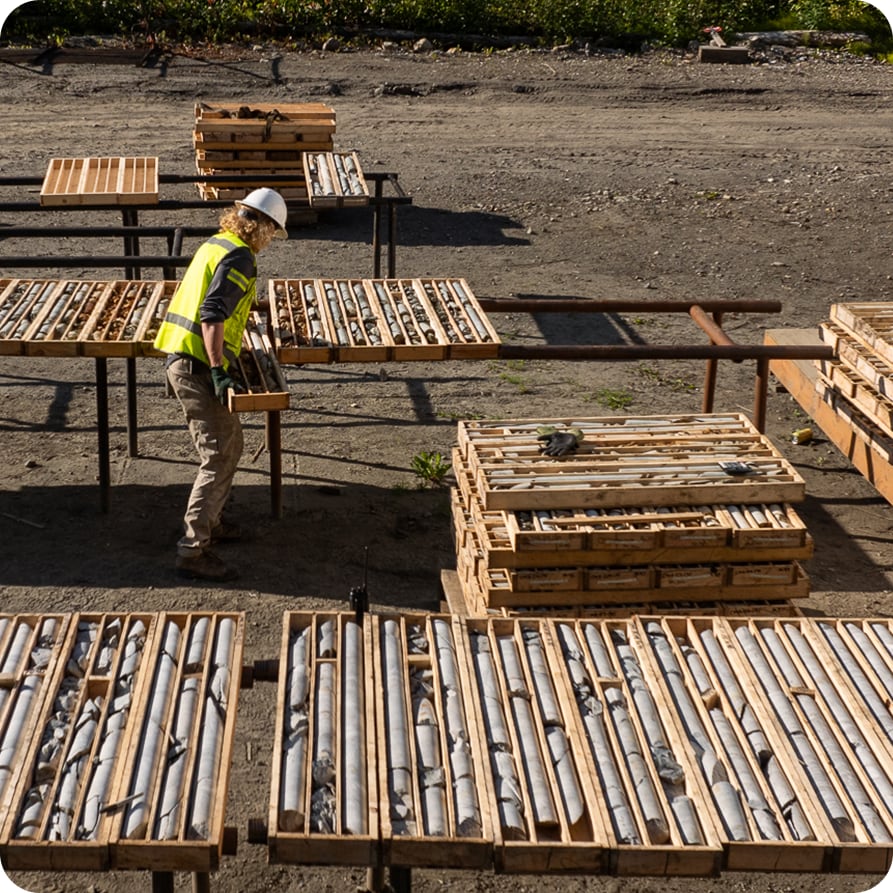
Each phase builds on what is already known, using field observations, technical work, and ongoing review to guide what happens next. As new information is gathered, it is used to refine plans and improve how work is carried out.
This includes outlining what work is taking place, what stage the project is in, and how activities are progressing. Information is provided in plain language to support a clear understanding of how the project is evolving over time.